Silk doesn’t act like wool. Not even a little bit, really. Anyone who’s tried cleaning a silk rug the same way they’d clean a regular wool one finds that out fast, usually the hard way. The fiber is finer, the sheen shifts depending on how light happens to catch it at any given moment, and the whole structure responds to water and chemicals in ways that surprise people almost every time. It’s rarely dramatic in the moment either. The damage tends to creep in quietly, showing up weeks later, by which point there’s not much to be done about it.
We repeat this constantly, and we’ll probably keep repeating it for as long as we’re doing this work. A real silk rug cleaning service doesn’t treat silk the way it treats wool or synthetic material. It simply can’t. The fiber itself refuses that kind of shortcut, however convenient it might look on paper.
What Makes Silk Different From Other Rug Fibers
Silk is a protein fiber. Not a plant fiber like cotton, and not quite like wool either, even though people group the two together out of habit. That distinction matters more than it seems like it should at first glance. Protein fibers respond to pH, to temperature, to mechanical stress, all of it, in ways wool mostly tolerates without complaint.
A few things really separate silk from the rest:
- It loses strength dramatically the moment it’s wet, far more than wool ever does.
- Its natural sheen depends on the fiber staying smooth, and rough brushing wrecks that almost instantly.
- It reacts far more sharply to alkaline cleaning products than most people expect.
- Heat degrades silk permanently, whereas wool shrugs off moderate heat without much fuss.
None of this makes silk some fragile museum piece unfit for actual living. It just means the cleaning method has to respect what the fiber is, not what it happens to look like sitting on the floor.
Why Machines Are Simply Too Aggressive

Machine cleaning runs on mechanical agitation and forceful water extraction, and silk tolerates neither one particularly well. The fiber weakens the second it gets wet, and layering brush pressure or high-pressure rinsing on top of that tends to break fibers, mat them down, or strip away the shine for good. Once that sheen disappears, it’s gone. There’s no bringing it back, not really, and that’s the whole problem with machines here.
Why Hand-Washing Is the Only Real Option
Hand-washing gives a technician full control over water temperature, pressure, timing, everything that actually matters with silk. There’s no quicker version of this that still protects the fiber over the long run. Believe us, we’ve looked for one.
A proper hand-washing process tends to go something like this:
- Dry soil removal first. Loose dust and grit come out before water gets involved, since wet silk clings to embedded dirt far more stubbornly than it should.
- pH testing. Water and solutions get checked carefully, because silk reacts badly to anything leaning too alkaline or too acidic.
- Gentle hand washing. Soft, controlled movement, nothing more. Nothing that pulls or twists fibers under any real pressure.
- Careful rinsing. Multiple passes at controlled temperatures, clearing out every trace of solution without soaking the fiber more than it needs.
- Slow, even drying. Away from direct heat or sun, letting the rug dry gradually so nothing shrinks or warps out of shape.
This is really where pure silk rug cleaning service work separates itself from the generic stuff floating around out there. Every step exists because silk genuinely demands it, not to pad a list and make the process sound more elaborate than it needs to be.
Common Mistakes That Damage Silk Rugs
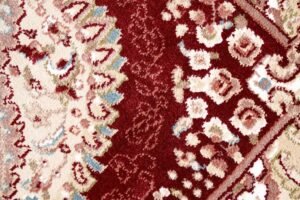
A good chunk of the damage we see didn’t come from neglect, oddly enough. It came from good intentions aimed in the wrong direction.
Mistakes worth steering clear of entirely:
- Using standard carpet shampoo, which is usually far too harsh and alkaline for silk.
- Scrubbing at stains aggressively, which spreads the damage rather than lifting it out.
- Drying silk rugs under direct sunlight, which speeds up fading and weakens the fiber further.
- Folding silk rugs for storage, which creases the structure in ways that don’t fully bounce back.
- Waiting too long after a spill, since silk soaks up liquid fast and staining sets in quickly.
Why Professional Testing Matters Before Cleaning Begins
Every silk rug reacts a bit differently depending on dye quality, age, and how it was originally woven. That’s exactly why professional cleaning always starts by testing a hidden section first, well before committing to a full clean. Skip that step, even with the gentlest method around, and there’s a real chance of discovering a problem only after it’s already spread across the part of the rug everyone actually sees.
Choosing the Right Provider for Silk Cleaning
Not every rug cleaner has genuine experience with silk, and that gap tends to surface painfully fast once something goes sideways. Before trusting a rug to anyone, it’s worth checking a few things upfront: whether they actually test for colorfastness before starting, whether hand-washing is their standard for silk rather than some pricier add-on tacked on later, and whether they can walk through their drying process clearly instead of offering vague reassurances that don’t say much of anything.
A genuine luxury silk rug cleaning provider won’t flinch at any of those questions, because the process itself should hold up fine under a little scrutiny.
Conclusion
Silk rugs reward patience and careful handling in a way few other materials really do. The beauty comes directly from the fiber’s own structure, and that structure just doesn’t survive rough treatment, whether that’s a machine, harsh chemicals, or a well-meaning DIY attempt that went off track. Hand-washing isn’t some premium extra reserved for silk. It’s genuinely the only method that respects what this material actually is, underneath all that shine everyone loves.
At Zoom Rugs, silk rugs get handled with exactly the level of care their construction calls for, because there’s really no version of this fiber that holds up well to shortcuts.
Frequently Asked Questions
Why can’t silk rugs be cleaned with standard carpet cleaning machines?
Silk weakens considerably once wet, and the mechanical pressure from machines often breaks fibers or permanently damages the natural sheen that makes silk look the way it does.
How often should a silk rug be professionally cleaned?
Most silk rugs do fine with professional cleaning every twelve to twenty-four months, depending on foot traffic and how much dust or sun exposure the rug deals with regularly.
Can silk rug stains be removed without damaging the fiber?
Often, yes, particularly when caught early. Professional cleaners test the affected area first to confirm the right approach before treating the stain fully.
Is it normal for silk rugs to lose some sheen over time?
Gradual, minor shifts in sheen can happen naturally as a rug ages, but sudden or noticeable dullness usually points to improper cleaning or handling that’s worth having a professional look at.
Related questions answered
- Persian rug cleaning: questions answered: the right way to wash a Persian rug, what it costs and which home remedies to avoid.
- Area rug cleaning costs: questions answered: what cleaning an 8×10 or 9×12 rug costs and whether professional cleaning is worth it.
- All Zoom Rugs FAQs