Somewhere in a lot of Bay Area homes, there’s a rug older than everyone currently living in the house. It belonged to a grandmother maybe, or it came back from somewhere overseas decades ago, wrapped in a story nobody remembers all the details of anymore. Nobody ever remembers the whole story, funnily enough. And when that rug starts showing real wear, the first instinct for most people is to think about replacing it. Which, honestly, is usually the wrong move entirely.
We hear this constantly. Homeowners searching for antique rug restoration Bay Area almost always walk in assuming the rug is too far gone. Most of the time it isn’t, not even close. It just needs the right hands working on it, patiently, rather than a quick fix or a trip to the dumpster.
Why Replacement Isn’t the Answer
A rug that’s genuinely old carries something a new one can’t fake, no matter how good the reproduction is. The weaving techniques, the dye batches mixed from natural materials by someone’s actual hands, sometimes even the wool itself. None of it gets made quite the same way anymore. Once that’s gone, it’s gone. Permanently.
There’s also what these pieces are worth, and that goes well beyond dollars and cents:
- Family history woven into something you can actually touch, not tucked away in a photo album somewhere.
- Craftsmanship from regions or eras where certain techniques have mostly disappeared by now.
- Financial value that often climbs with age, assuming the rug’s been kept up reasonably well.
- A visual character mass-produced rugs, even the pricey ones, simply don’t carry.
Replacing a damaged antique erases all of that with one decision. Restoring it keeps the history intact while dealing with whatever’s actually wrong underneath.
The Emotional Weight Nobody Talks About Enough
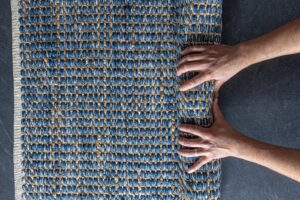
This part gets skipped over a lot, in our experience anyway. People focus on the money angle, which makes sense, but there’s usually something heavier sitting right underneath it. Losing a rug that’s sat in a family for generations hits different than losing one bought last spring from a showroom. Restoration respects that difference instead of treating every damaged rug like it’s just replaceable inventory.
What Antique Restoration Actually Involves
Restoration isn’t one fix applied evenly across the board. It’s really a series of decisions, each one shaped by what a specific rug needs, and that varies quite a bit depending on age, materials, and how the damage happened to begin with.
A thorough process generally covers:
- Full assessment. Every inch gets looked over first: foundation strength, dye stability, fiber condition, before anyone touches a cleaning solution.
- Cleaning suited to the age. Older rugs often can’t tolerate the same approach newer rugs handle just fine, so methods get adjusted accordingly.
- Structural repair. Weak spots in the foundation get reinforced or rewoven, depending on how bad things actually are.
- Color restoration. Faded or damaged sections sometimes need careful redyeing to get back near the original palette.
- Fringe and edge work. Frayed edges get repaired with materials chosen to blend into the rug’s original build.
A real rug restoration service near me search should point toward people willing to slow down for this kind of work, not rush through it like it’s just another standard cleaning appointment.
Why Rushing Restoration Causes More Harm
We’ve watched it happen more than once. A restoration rushed through, skipping proper testing or matching, tends to create fresh problems while barely solving the old ones. Mismatched dye that’s obvious the second you look closely. Repairs that look noticeably newer than everything around them. Structural fixes that don’t quite hold once someone starts walking across the rug regularly again. Antique work just can’t be rushed without risking the exact outcome everyone’s trying to avoid in the first place.
Common Damage in Older Rugs
Age brings its own list of problems, some obvious right away, others easy to miss until they’ve quietly gotten worse.
Signs worth keeping an eye on:
- Thinning pile in high-traffic spots, sometimes worn down close to the foundation threads.
- Dry rot or brittleness in the backing, often from years of improper storage somewhere.
- Uneven color fading, brighter in spots that stayed covered by furniture the whole time.
- Moth damage, usually showing up as small holes or thin patches scattered through the wool.
- Weak or unraveling fringe, typically the first visible sign that something deeper needs attention.
Dealing With Moth Damage Specifically
Worth pulling out on its own, honestly, since it’s more common than people expect with older wool rugs that sat in storage at some point without proper care. Moths go straight for the wool fibers, and by the time damage becomes visible, there’s usually more affected underneath than what shows on top. Anyone spotting small holes or thin patches should get the rug checked fairly soon, because moth damage tends to keep spreading if the actual cause isn’t dealt with alongside the repair itself.
What to Look for in a Restoration Provider

Not every rug cleaner handles antique work well. That distinction matters a lot more than people realize until they’ve already handed over a family piece to the wrong person.
A few things worth confirming beforehand:
- Real experience specifically with antique or handwoven rugs, not just general cleaning work.
- Willingness to test materials before jumping into a full restoration approach.
- Honest communication about what’s realistic to restore versus what has genuine limits.
- Careful handling during transport, since antique foundations can be far more fragile than they appear from the outside.
A genuine luxury rug restoration service takes time to explain all this upfront, rather than promising a flawless outcome before even seeing the rug in person.
Conclusion
An antique rug carries more than fiber and dye ever could on their own. It carries history, and that’s exactly why replacement should rarely be the first option when damage shows up. Proper restoration protects the piece without erasing what makes it valuable to begin with, and for most families, that’s worth considerably more than starting over with something brand new.
At Zoom Rugs, every antique piece gets treated with the understanding that we’re not simply fixing a rug. We’re preserving something that actually matters to the people who own it.
Frequently Asked Questions
Is it worth restoring an antique rug instead of replacing it?
In most cases, yes. Restoration preserves the rug’s history and craftsmanship, both of which are impossible to recreate once a piece has been discarded.
How do I know if my rug has moth damage or just general wear?
Moth damage usually shows up as small, irregular holes or thin patches, while general wear tends to appear as gradual thinning spread across high-traffic areas.
Can severely damaged antique rugs still be restored?
Often, yes, though how much can realistically be restored depends on how much of the original foundation and fiber structure is still intact.
How long does antique rug restoration usually take?
It varies quite a bit depending on the extent of the damage, but antique work generally takes longer than standard cleaning because of the extra testing and care involved.
Related questions answered
- Persian rug cleaning: questions answered: the right way to wash a Persian rug, what it costs and which home remedies to avoid.
- Rug repair and restoration: questions answered: what can be repaired, what restoration costs and how long a good rug should last.
- All Zoom Rugs FAQs

