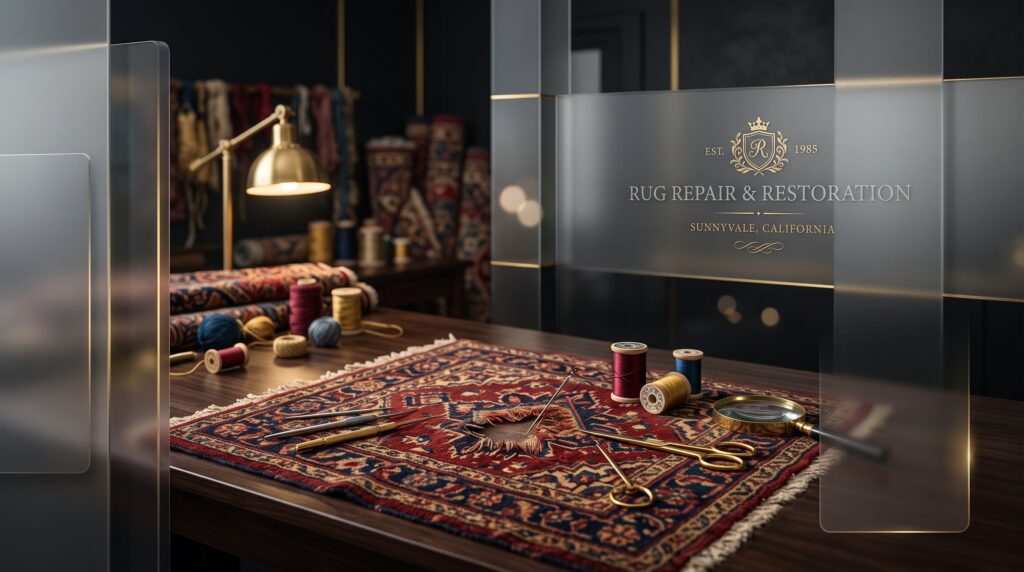
Moth Damage Repair: What Determines the Scope is best understood through condition, construction and intended use—not a one-size-fits-all answer. This guide explains pile loss, foundation condition and active infestation control.
What homeowners should notice
Before arranging rug repair and restoration, look for irregular bare patches, webbing and casings. Early documentation helps a specialist distinguish surface appearance from structural or foundation-level concerns.
A safe first response
isolate the rug and save loose fibers for assessment. Clear photographs, approximate dimensions, known fiber information and a short history of the problem make preliminary guidance more useful.
What not to do
avoid repairing before active moth treatment is complete. Unverified products or improvised repairs can set stains, move dyes, weaken foundation threads or make later professional treatment more difficult.
Why choose Zoom Rugs instead of a general carpet cleaner?
Installed carpet and removable rugs are not the same textile. A general carpet-cleaning system is commonly designed to work on carpet attached to a floor, while a handmade, antique, wool, silk, viscose or specialty rug may require inspection from both sides, dry-soil removal from the foundation, dye-stability testing, controlled rinsing and drying away from the customer’s floor.
Zoom Rugs approaches each piece as an individual textile. The team reviews fiber, weave, foundation, fringes, prior repairs, staining and color stability before recommending work. This rug-specific evaluation helps determine whether full washing, localized treatment, stabilization or repair should occur—and whether a proposed treatment should not be performed.
Questions to ask any rug cleaner
- Will the rug be inspected from the front and back before treatment?
- How are dyes tested before moisture or cleaning chemistry is introduced?
- Is dry soil removed from the foundation before washing?
- How are fringes, weak edges and earlier repairs protected?
- Where and how will the rug be dried?
- Will the customer receive a written scope before specialty treatment or repair begins?
Zoom Rugs provides a rug-focused process, photo review and written estimate so the customer can understand the proposed care before authorizing it. Results depend on the rug’s construction and condition; no ethical specialist should promise that every stain, odor, color change or old damage can be completely reversed.
Why specialist rug repair is different from carpet repair
Carpet repair usually addresses installed broadloom material, seams, patches or localized stretching. Handmade-rug restoration can require rebuilding the internal warp-and-weft foundation, matching knot structure, selecting compatible wool or silk, recreating missing pattern and stabilizing the rug so damage does not continue to spread. Zoom Rugs evaluates structure first and appearance second.
Moth-damage repair
Moth larvae may consume wool pile while leaving portions of the cotton foundation visible—or weaken both pile and structure in severe cases. Repair planning begins only after active infestation concerns are addressed. The damaged area is mapped, weakened foundation is assessed, and options may range from stabilization to foundation rebuilding and hand re-knotting with appropriately matched yarn.
Color restoration and controlled re-dyeing
Fading, chemical discoloration and dye migration are different problems. Zoom Rugs first distinguishes soil film, color run, permanent fading and fiber damage. When color restoration or re-dyeing is genuinely appropriate, testing, color matching and controlled application are required. Re-dyeing is not presented as a universal cure, and unstable or severely damaged fibers may limit the achievable result.
Reweaving holes and structural loss
For holes and tears, a lasting repair may require reconstructing missing warps and wefts before new pile knots can be tied. Pattern, knot density, pile direction and yarn color must be considered together. Household glue, tape and surface-only patches can conceal damage while leaving the structure weak.
Full rug restoration
Full restoration may combine washing, dye stabilization, moth treatment coordination, fringe or end reconstruction, side-cord repair, reweaving, pile integration and final grooming. Zoom Rugs separates essential stabilization from optional cosmetic work and provides a written scope so the owner can choose a conservation level appropriate to the rug’s value, history and intended use.
How Zoom Rugs evaluates the work
Zoom Rugs reviews fiber, construction, dye stability, contamination, existing damage and prior repairs before recommending treatment. Cleaning, stabilization and restoration are proposed only where appropriate, with a written estimate before authorized work begins.
Learn more about Zoom Rugs rug repair and restoration →
Need guidance for a specific rug? Call or text 408-472-6086, or send rug photographs for an initial review.
Quick answer: Why choose Zoom Rugs instead of a carpet cleaner?
Choose a rug-restoration specialist who examines foundation, pile, edges, dyes and prior repairs before proposing moth repair, reweaving, color work or full restoration. A carpet cleaner normally focuses on surface cleaning and is not a substitute for structural textile repair.
What should I send for a rug-care estimate?
Send a full photograph, close-ups of damage or stains, approximate dimensions, rug type if known, and your city. Photo guidance is preliminary; final treatment and price depend on physical inspection, fiber, construction, condition and dye stability.
Does Zoom Rugs handle advanced repair?
Yes. Zoom Rugs evaluates moth damage, fringe and edge failure, holes, reweaving, color correction, re-dyeing and full restoration. Recommendations depend on the rug’s structure, value, condition and the result you want.
Explore rug repair · Explore rug cleaning · Request a written estimate